
Afrobeat type beat: the sound, the styles and how to licence
Afrobeat type beat explained: Afrobeats vs Afrobeat, the rhythm and instruments, Afropiano and Afroswing, and how to licence one in rupees or dollars.
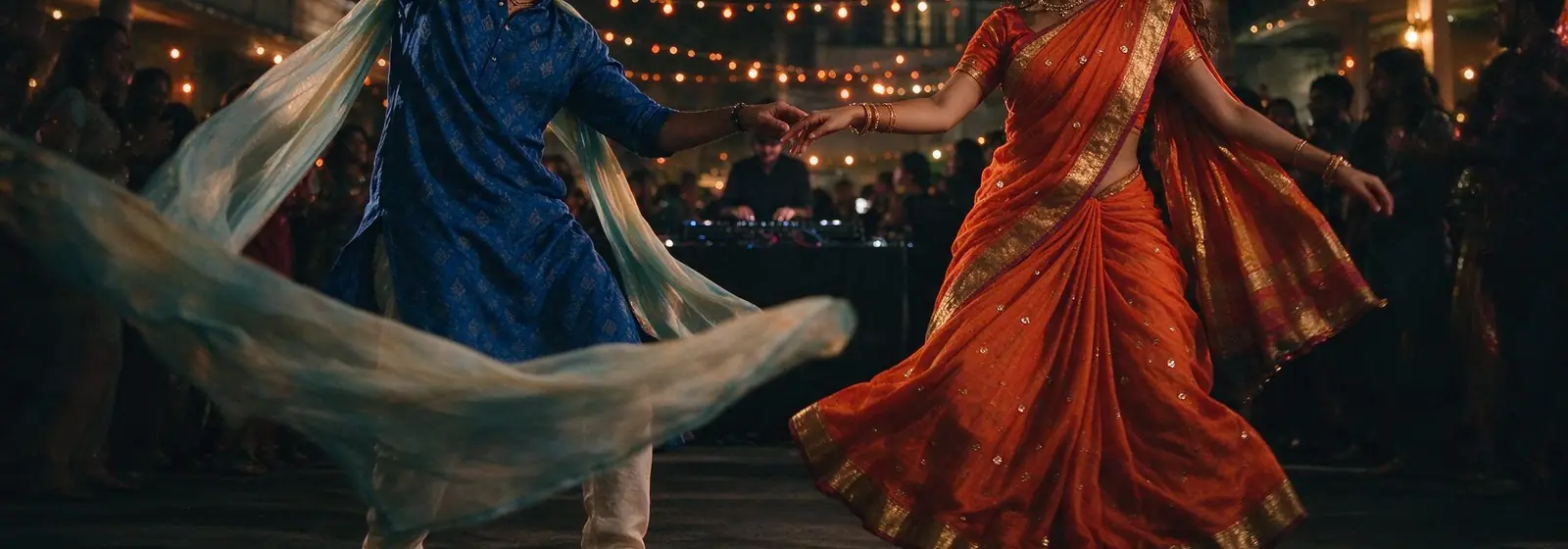
An afrobeat type beat is an original instrumental in the style of modern Afrobeats: bouncy, danceable West African pop with a driving drum groove, warm chords and room for a catchy hook. To release a song on one, buy a written licence. On Airtune, every Easy licence allows unlimited streams and monetised videos, in rupees or dollars.
On this page
An afrobeat type beat is an original instrumental made in the style of modern Afrobeats, the bouncy pop sound from West Africa and the UK. Most use a rolling drum groove, warm chords and a simple melody built for a sing-along hook. This guide explains the sound and its main styles, clears up the Afrobeats vs Afrobeat mix-up, and shows how to licence one in rupees or dollars.
In short
- The drums lead: a rolling, danceable groove with a clave-style rhythm.
- Afrobeats and Afrobeat are different genres, and most type beats mean Afrobeats.
- Buyers abroad pay in dollars on Airtune, and Indian buyers pay in rupees.
What is an afrobeat type beat?
An afrobeat type beat is a new instrumental a producer makes to sound like Afrobeats, so artists can write and release their own song on it. “Type beat” is a label that tells you the style, not the source. The beat is original, and the producer who made it can sell you a licence.
Afrobeats is an umbrella term for contemporary West African pop. Wikipedia says it developed in Nigeria, Ghana and the UK during the 2000s and 2010s. It blends house, hiplife, dancehall, highlife, R&B and more into one danceable sound.
Most searches for “afrobeat type beat” mean this modern sound, even without the “s”. Be careful with “afrobeats instrumental mp3 download” results. Many are ripped from real songs, and nobody but the owner can let you release on those. A real type beat from a producer, with a written licence, is the safe route. Wikipedia’s Afrobeats page is the source for the history in this guide.
What is the difference between Afrobeats and Afrobeat?
The difference between Afrobeats and Afrobeat is age, sound and purpose. Afrobeat, without the “s”, is a 1960s and 1970s genre linked to Fela Kuti and Tony Allen. It mixed highlife and fuji with American jazz and funk, using big bands, long instrumental solos and complex rhythms.
Afrobeats, with the “s”, is the newer pop sound. Wikipedia says a London DJ, Abrantee, helped popularise the name by adding the “s” when presenting the music to UK dancefloors. Afrobeats songs are shorter and built for radio, clubs and dance videos.
The two also differ in message. Fela used Afrobeat for political criticism, while Afrobeats generally avoids such topics. For a beat buyer, this matters when you search. If you want long horn sections and live band jams, look for Afrobeat. If you want a catchy, modern hook, look for Afrobeats.
| Afrobeat | Afrobeats | |
|---|---|---|
| Era | 1960s and 1970s | 2000s onwards |
| Roots | Highlife, fuji, jazz, funk | House, hiplife, dancehall, R&B and more |
| Sound | Big band, long solos | Short pop songs, driving drums |
| Message | Often political | Mostly love, dance and life |
What does an Afrobeats instrumental sound like?
An Afrobeats instrumental sounds warm, bouncy and made for dancing. The drums take the lead. Wikipedia describes a driving drum beat, electronic or played, that often leads the song, usually in 4/4 time with a 3–2 or 2–3 clave pattern. That clave gives the groove its skip.
The tempo is moderate. Wikipedia says Afrobeats shares a similar momentum and tempo to house music, and most type beats sit somewhere around 95 to 115 BPM. It feels relaxed and danceable at the same time.
On top of the drums, producers add shakers, congas and other hand percussion, a warm bass line and simple chords on guitar, keys or plucks. The melody is short and repeats, so the singer’s hook stays in your head. Space is important. Afrobeats vocals often switch between English, pidgin and local languages, and the beat leaves room for that flow.
- Lead drums: a rolling kick and snare pattern with a clave feel.
- Hand percussion: shakers, congas and rim hits for bounce.
- Warm bass: smooth and melodic, not a booming 808.
- Light chords: guitar, keys or soft plucks.
- Space for a hook: short, repeated melodies.
What are the different types of Afrobeats?
The different types of Afrobeats are fusions with other sounds, and beat stores often label them separately. Knowing the names helps you search for exactly the feel you want. Wikipedia lists several related styles that grew from or beside Afrobeats.
Afropiano blends Afrobeats with amapiano from South Africa, known for its deep bass and log drum. Afroswing is a UK style from around 2014, shaped by grime, dancehall, trap and R&B. Wikipedia notes it is often called Afrobeats but is a separate style. Alté is a Nigerian sound that mixes Afrobeats with rap, R&B, soul and dancehall.
There are more, such as Afro-house and Afro trap. For a singer, Afropiano and Afro-house suit club records. Afroswing and Alté suit artists who rap and sing on the same song. Our guide to R&B beats covers the smoother side of this mix.
| Style | Mixes Afrobeats with | Good for |
|---|---|---|
| Afropiano | Amapiano (log drum, deep bass) | Club and dance records |
| Afroswing | Grime, dancehall, trap, R&B | Rappers who sing hooks |
| Alté | Rap, R&B, soul, dancehall | Alternative, moody songs |
| Afro-house | House music | Long, DJ-friendly tracks |
How do you licence an afrobeat type beat on Airtune?
You licence an afrobeat type beat on Airtune by finding a beat on Explore, testing your hook over it, and buying an Easy licence at checkout. Your licence is signed in your legal name and arrives as a PDF with a QR code that anyone can check.
On Airtune Explore, search for “afro” or “Afrobeats” and filter by BPM, key and price. A range of about 95 to 115 BPM is a good start. Each beat page has a Related tracks section with similar beats, so one find leads to more.
Every Easy licence allows unlimited audio streams, unlimited monetised music videos and use in film, TV and ads. Indian buyers pay in rupees by UPI, card or netbanking. Buyers abroad pay in US dollars through Stripe. Producers set rupee and dollar prices separately, so there is no forced conversion. Our guide to leasing beats explains how a lease differs from owning a beat.
- Search for afro or Afrobeats and set a BPM range.
- Sing your hook over five beats and keep the two that feel easy.
- Ask about samples if you hear a known vocal or melody.
- Choose your files: WAV for most releases, stems for a full mix.
- Pay in your currency and save your signed licence PDF.
Worked example. Say you are a singer in Goa and your co-writer lives in London. You both want Easy WAV licences on different beats. Airtune’s minimum is ₹999 for Easy WAV in rupees and $29.99 in dollars. You pay at least ₹999 by UPI, and your co-writer pays at least $29.99 through Stripe.
Afrobeats in India: desi fusion ideas
Afrobeats and Indian music share a love of rhythm, so they blend well. Producers mix an Afrobeats groove with a dhol pattern, a tumbi riff or a Hindi or Punjabi vocal chop. Singers write Hinglish hooks over the bounce. If you make these beats, write your own melodies instead of sampling famous songs, and tag them clearly, such as “Afrobeats x Punjabi type beat”. Our guide to Punjabi beats explains the desi instruments, and type beats in India shows how type beat titles work.
Next steps
- Learn how type beat names work in type beats in India.
- Find desi sounds to fuse in Punjabi beats.
- Compare every licence on the Airtune licensing page.
- Search for Afrobeats-style beats on Airtune Explore.