
Mixing and mastering in India: a 2026 guide for artists
Mixing and mastering in India explained: the difference, what affects the price, how to pick an engineer, what files to send, and how to pay safely.
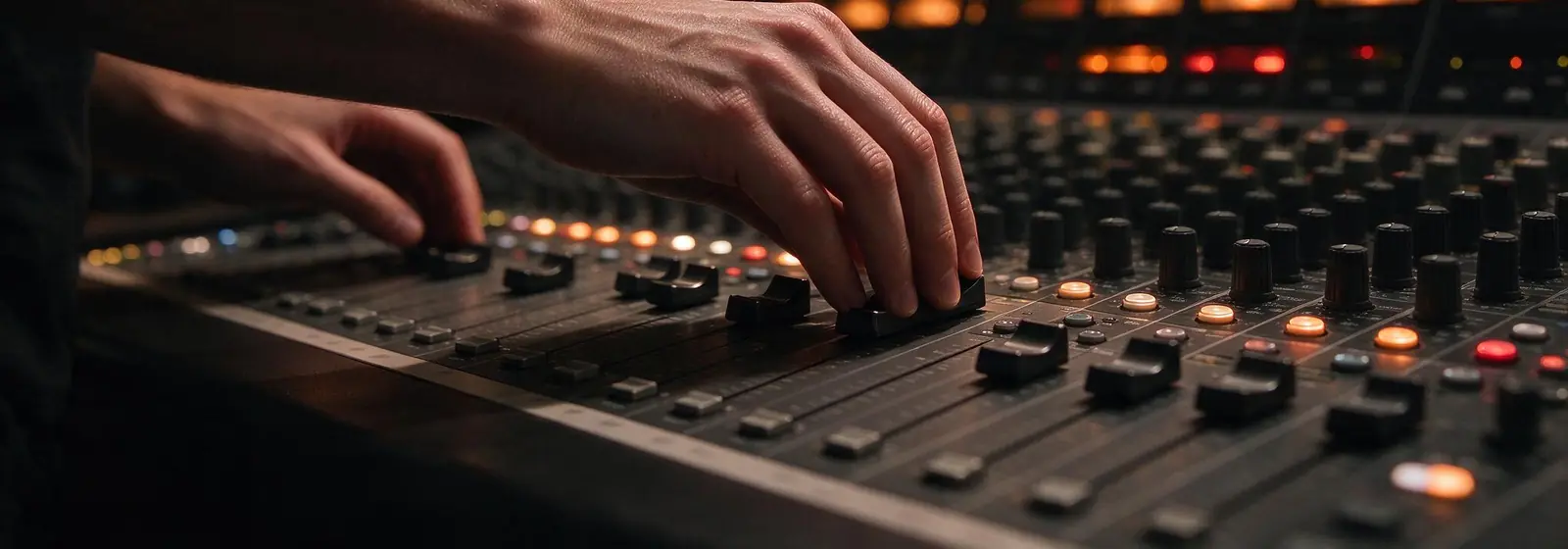
Mixing and mastering in India are the last two steps before you release a song. Mixing balances your vocals and beat into one track. Mastering makes that track sound right on every phone, speaker and streaming app. You can hire an engineer locally or online; check samples, revisions and file needs before you pay.
On this page
Mixing and mastering in India work the same way as anywhere else. They are the two steps that turn your recorded vocals and beat into a song ready for Spotify, JioSaavn and YouTube. Mixing comes first and makes the parts sit well together. Mastering comes last and makes the whole song sound finished and consistent on every device.
In short
- Mixing balances your vocals, beat and effects into one clear track.
- Mastering polishes the final mix so it sounds right on phones and speakers.
- Before you pay, check sample work, included revisions, delivery time and who owns the files.
What is mixing and mastering?
Mixing and mastering are two separate jobs in music production. In mixing, an engineer takes every recorded part of your song and balances them. That means lead vocals, backing vocals, ad-libs and the beat. They set levels, clean up harsh sounds, add effects like reverb and delay, and place each sound so your voice is clear.
Mastering happens after the mix is finished. The mastering engineer works on the whole stereo track, not the separate parts. They adjust the overall tone and loudness so the song sounds good on cheap earphones, car speakers and streaming apps. It should also match the other songs on your release.
Think of it like a film. Mixing is the edit, where every shot is put in place. Mastering is the final colour and sound check before the film goes to cinemas. Both matter, and a good master cannot fix a bad mix.
What is the difference between mixing and mastering?
The difference between mixing and mastering is what the engineer works on. In mixing, they work on many separate tracks (or stems): your vocals, the drums, the bass, the melody and so on. In mastering, they work on one finished stereo file. So mixing can fix a vocal that is too quiet, but mastering usually cannot.
The order matters too. Mixing comes first, and mastering is the last step before release. Many artists book both from one person as a “mix and master” package. That is simpler and means one person is responsible for the final sound.
Some artists prefer a separate mastering engineer, so a fresh pair of ears hears the song. Both ways are normal and common. What matters is that you know which one you are paying for, and what files each step needs.
| Mixing | Mastering | |
|---|---|---|
| Works on | Separate tracks (or stems) | One stereo file |
| Fixes | Vocal level, clarity, effects, balance | Overall tone and loudness |
| Comes | First | Last, before release |
| You send | Vocal stems and beat stems | The final mix |
How much does mixing and mastering cost in India?
Mixing and mastering prices in India are set by each engineer, and there is no official rate card. We could not find a reliable public survey of prices, so we will not guess a number. What you can do is understand what moves the price, and then compare quotes from a few engineers properly.
The biggest factors are the number of tracks and vocal layers, the revisions included, and how fast you need it. Experience counts too. An engineer with released hits will usually charge more than someone just starting out.
When you compare two quotes, compare what each one includes, not only the number. A cheap price with no revisions can cost more if you need fixes. On Airtune artist services, each package shows its price in rupees or dollars, delivery days and included revisions before you book.
- Number of tracks: more stems usually means more work.
- Revisions: check how many are included and what extra ones cost.
- Delivery time: rush jobs often cost more.
- Mix only, master only, or both: packages differ.
Worked example: paying for a mix in stages
This example uses made-up numbers, for illustration only. Say you book a ₹8,000 mix and master package on Airtune. It has two milestones: 40% for the first mix and 60% for the final master. You pay ₹8,000 when you book, and Airtune holds it. When you approve the first mix, ₹3,200 goes to the producer. When you accept the final master, the remaining ₹4,800 is released. If the first mix needs work, you ask for a revision before you approve, because an approved share cannot be refunded.
How do I choose a mixing and mastering engineer in India?
Choosing the best mixing and mastering engineer in India starts with your ears, not their equipment list. Listen to songs they have mixed in your genre. A great Bollywood engineer may not suit a drill track, and the other way round.
Next, get the terms in writing. That means what they deliver, how many revisions you get, the delivery date, and what happens if the work is late. Ask what file formats you will get back, such as a WAV master for distribution and an MP3 for sharing.
Finally, think about how you pay. Paying the full amount upfront to someone you met on Instagram is risky. A safer way is a service where the money is held until you approve the work. On Airtune, your payment is held and released to the producer in milestones as you approve each stage. Our guide to Airtune artist services explains how that works.
- Listen to their past mixes in your genre.
- Read the package: deliverables, revisions and delivery days.
- Check ownership and credit in writing.
- Pay through escrow or in stages, not all upfront to a stranger.
What files do I send for mixing?
For mixing, you send stems: each part of your song as its own audio file. That means every vocal track (lead, doubles, ad-libs, harmonies) and the beat split into its parts, such as drums, bass and melody. Export all files from the same start point, so they line up when the engineer loads them.
Use WAV files, not MP3s, and name each file clearly, like “Lead vocal” or “Hook double”. Tell the engineer the song’s tempo (BPM) and send a rough mix or a reference song you like the sound of.
If you are using a leased beat, check that your licence gives you the stems. A basic MP3 lease usually gives you only one stereo file, which limits what a mix engineer can do. On Airtune, the Easy Stems licence and the Exclusive licence include the stems. Our guide on how to lease beats explains which licence gives which files.
Tip: Send dry vocals (no effects) plus a version with your effects, so the engineer can hear what you were going for.
Can I use online or AI mixing and mastering?
Online mixing and mastering is now common, and it comes in two kinds. The first is a human engineer who works remotely: you upload stems, they mix, and you review files online. It means you can hire a good engineer even if they live in another city.
The second kind is automatic mastering software, sometimes called AI mastering. You upload a finished mix and get a master back in minutes. It can be useful for demos or for checking how a mix might sound.
The limit is that software cannot ask what you want. A human engineer can hear that your hook vocal needs to stand out, or that your Punjabi folk sample should stay warm. For a song you plan to release and promote, many artists still choose a person they can talk to.
Next steps
- Read how Airtune artist services hold your payment until you approve the work.
- Need a beat made for your song first? See our guide to custom beats in India.
- Still looking for a beat? Start with beats for rappers in India.
- Compare mixing and mastering packages on Airtune artist services.