
How to license music for commercial use in India (2026)
How to license music for commercial use in ads, brand videos and businesses in India: what it covers, which licence you need, and what Airtune licences allow.
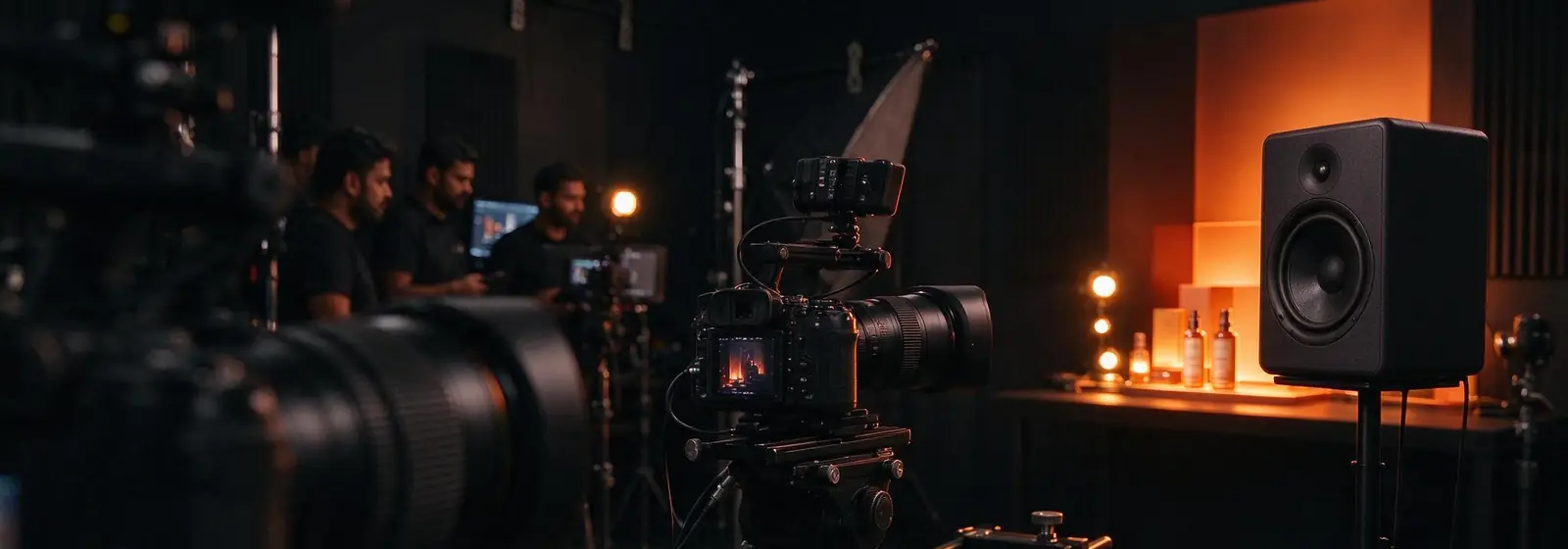
To license music for commercial use, get written permission from the person who owns the track, for your exact use: an ad, a brand video or a paid product. Pick a licence that names ads or sync to video, keep the signed copy, and credit as agreed. Every Airtune Easy beat licence allows film, TV and ads.
On this page
- What does it mean to license music for commercial use?
- Which licence do you need for ads and commercials?
- How much does it cost to license a song for commercial use?
- How do Airtune licences cover commercial use?
- Do you need a music license for a business, shop or restaurant?
- How do you license a song for commercial use, step by step?
- Next steps
To license music for commercial use, you need written permission from whoever owns the music, for the exact way you plan to use it. Commercial use means the music helps you sell something: an ad, a brand film, a sponsored reel, a product demo or a paid app. This guide explains which licence you need, what it costs, and how Airtune beat licences cover ads.
In short
- Commercial use needs written permission from the owner, matched to your exact use.
- Ads and brand videos need sync rights, meaning music placed in a video.
- Every Airtune Easy licence allows film, TV and ads, with a signed licence PDF.
What does it mean to license music for commercial use?
To license music for commercial use means you get the owner’s permission to use a song or beat in something that earns money or promotes a business. A rapper’s own single is commercial too, but people usually mean ads, brand content and business use when they search this.
A licence is a written deal. It says who owns the music, who may use it, where, for how long, and what you paid. Without it, using music in an ad is copying someone else’s work, and the owner can take the video down or ask for money.
Two kinds of rights matter. The recording (the “master”) belongs to whoever made or paid for it. The song itself (melody and lyrics, the “publishing”) can belong to someone else. For a famous song you often need both, from different owners. For an instrumental beat, the producer usually controls both, which is why licensing a beat is simpler. Our guide to beat licensing in India explains the basics.
Which licence do you need for ads and commercials?
For ads and commercials, you need a licence that clearly allows “sync”, which means putting music in a video, and that allows paid or promotional use. A licence that only allows streaming on Spotify does not cover a TV spot or a paid Instagram ad. Read the rights list before you pay.
Check three more things. First, the platforms: TV, YouTube, Instagram, OTT, cinema or in-store screens. Second, the term: some licences end after a year, and Airtune Easy licences have no expiry by default. Third, exclusivity: a non-exclusive licence means another brand could use the same beat in its own ad.
For a big campaign, many brands want exclusive rights, so the music is only theirs. For social posts and small promos, a non-exclusive licence is often enough. Our guide to sync licensing covers placing music in film, TV and ads in more detail.
| Use | What the licence must say |
|---|---|
| TV or OTT ad | Sync to video, broadcast, paid advertising |
| YouTube or Instagram ad | Sync to video, monetised or paid online use |
| Brand film or product demo | Sync to video, the platforms you will post on |
| Podcast or radio spot | Audio use in ads, radio |
| Music playing in your shop | A public performance licence (see below) |
How much does it cost to license a song for commercial use?
The cost to license a song for commercial use ranges from a few hundred rupees for a ready-made beat to large fees for a famous hit. Famous songs usually need a custom quote from the label and the publisher, because each campaign is priced on reach, length and term.
Independent producers are far cheaper and faster. On Airtune, producers set their own prices. The live licensing page shows example prices from one beat: Easy MP3 at ₹499, Easy WAV at ₹999 and Easy Stems at ₹1,999. Exclusive is priced by the producer or by offer, and the minimum Exclusive price on Airtune is ₹4,999.
Those prices include every right in the licence, including ads. You do not pay more per view or per broadcast. Prices change from beat to beat, so always check the beat page. Also check whether the licence lets other people buy the same beat, because that affects your brand.
| Music source | Typical way it is priced |
|---|---|
| Famous song | Custom quote from the label and the publisher |
| Airtune beat, Easy licence | Producer’s fixed price, for example ₹499, ₹999 or ₹1,999 |
| Airtune beat, Exclusive | Producer’s price or an offer, at least ₹4,999 or $99.99 |
Worked example. A café chain in Pune wants a beat for a 30-second Instagram ad. An Easy WAV licence at the ₹999 example price covers sync to video and ads. If the café wants the beat to be only theirs, Exclusive costs at least ₹4,999. If they make an offer, the agreed price can never go below ₹2,499.50, which is half of that minimum.
How do Airtune licences cover commercial use?
Airtune licences cover commercial use on every paid beat tier. The live rights table on the Airtune licensing page shows “Film, TV and ads (sync to video)” ticked for Easy MP3, Easy WAV, Easy Stems and Exclusive. Every Easy licence also allows unlimited audio streams and unlimited monetised music videos.
Each sale comes with a licence contract made from the producer’s terms. The buyer signs it in their legal name at checkout, and Airtune keeps it as a PDF with a QR code. The terms are locked at checkout, so they cannot change later.
The tiers differ in files and ownership, not in the right to use the beat in an ad. Easy Stems adds separate tracks, which an editor can use to shorten or remix the beat for a 15-second cut. Exclusive takes the beat off sale, so no new buyer can licence it. Licences already sold before that stay valid, so ask the producer how many exist.
| Easy MP3 | Easy WAV | Easy Stems | Exclusive | |
|---|---|---|---|---|
| Files | MP3 | MP3 + WAV | + Stems | All files |
| Film, TV and ads | Yes | Yes | Yes | Yes |
| Monetised videos | Unlimited | Unlimited | Unlimited | Unlimited |
| Beat taken off sale | No | No | No | Yes |
| Signed licence PDF + QR | Yes | Yes | Yes | Yes |
Watch out: the beat page lists what each licence allows, in rows under “What Airtune Easy WAV lets you do”, and terms can differ from beat to beat. If your brand wants YouTube Content ID, agree it with the producer in writing first. See Content ID for beats.
Do you need a music license for a business, shop or restaurant?
Yes, a music licence for a business is usually needed when you play recorded songs out loud to customers, for example in a shop, café, gym or salon. This is a different licence from the one for an ad. It covers playing music in public, not putting music in a video.
In India, PPL India publishes tariffs for playing recorded music at public places such as restaurants and shops. Its tariff also says a background music licence is separate from an event licence. Rates depend on the type and size of the business, so check with them directly.
A beat licence from Airtune does not replace these. It lets you use a beat in your own content, such as your ad or brand video. If you only need music for videos, the beat licence is the part that matters. If you play a playlist of hit songs in your shop, ask about public performance licences.
This is general information, not legal advice. For a big deal, ask a music lawyer.
How do you license a song for commercial use, step by step?
To license a song for commercial use, decide your exact use, find the owner, agree the terms in writing, pay, and keep the signed copy. The steps are the same for a TV ad or a single reel. Only the size of the deal changes.
Start with your use, because it decides the licence. Write down the platforms, the length of the campaign, and whether you need the music to be only yours. Then pick music whose owner is easy to reach. With an independent producer, you can ask questions before you pay.
Get everything in writing, even for a small fee. A chat saying “sure, use it” is weak proof if a claim comes later. Keep the licence where your editor and agency can find it. On Airtune, anyone can check a licence on the verify page, which helps when a platform asks for proof. Our guide to beat licence agreements shows what a good contract includes.
- Write down your use: platforms, length of campaign, paid ads or organic posts.
- Choose the music and check who owns the recording and the song.
- Read the full terms for sync, ads, term and exclusivity before paying.
- Ask the producer about samples, credit and any custom needs in chat.
- Pay and save the signed licence PDF with your campaign files.
- Credit as the licence says, for example “Prod. by” and the producer’s name.
Next steps
- Learn the full rights picture in beat licensing in India.
- Want the beat to be only yours? Read about exclusive beats.
- Compare licence tiers and rights on the Airtune licensing page.
- Find a beat for your next ad on Airtune Explore.